
Protocols: An Essential Tool at CIMS
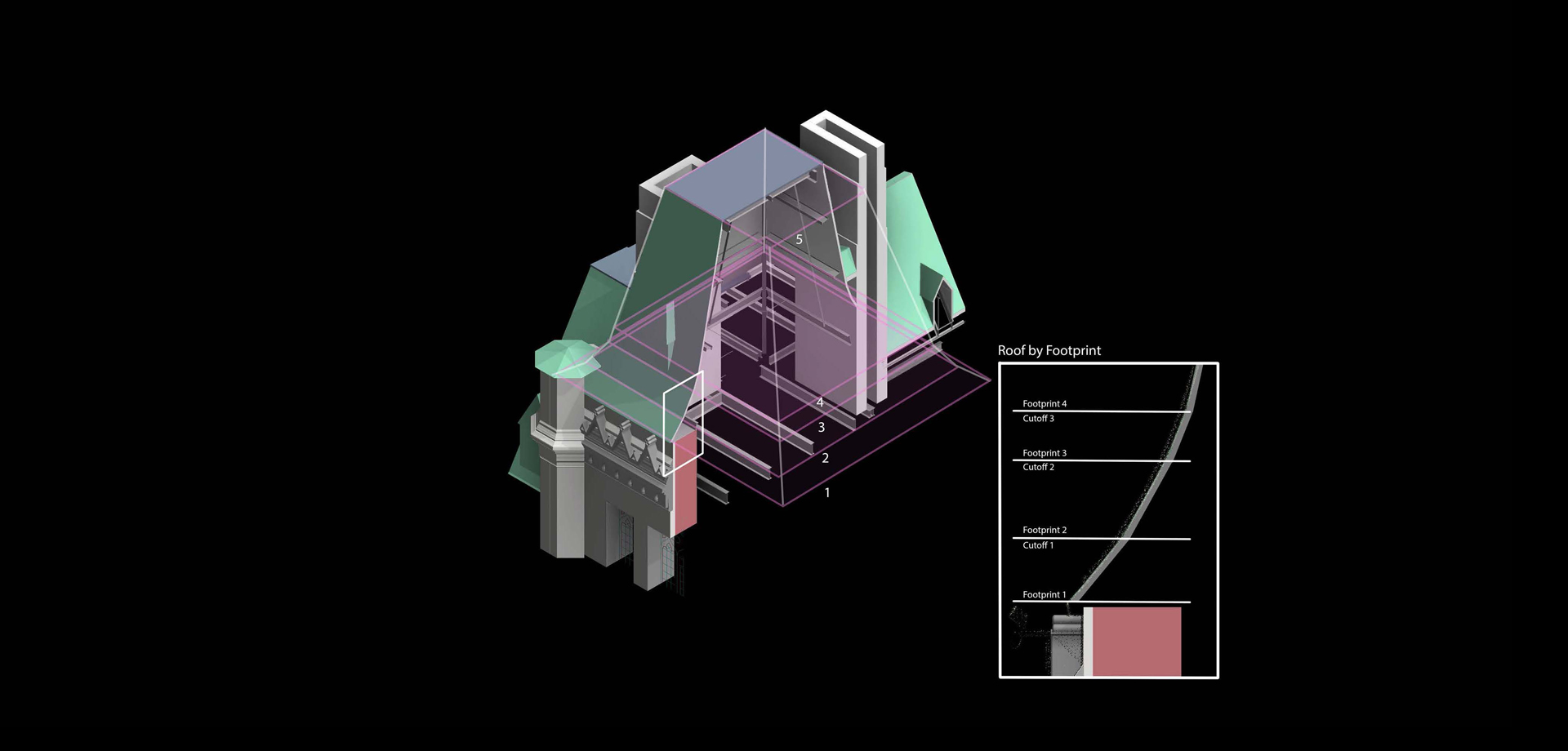
As a research lab, we encounter unique challenges in our five research streams – digitization, building information modelling, simulation, digitally assisted storytelling, and digitally assisted fabrication. For instance, creating a building information model (BIM) from point cloud data can be a daunting task for any experienced research lab or firm. Existing BIM software are often best suited for new construction – unable to capture the deformations and complexities of existing structures. So when it came to modelling existing buildings like the Batawa Shoe Factory in Batawa, or the century-old buildings on Parliament Hill, Ottawa, CIMS needed to find new ways of manipulating existing BIM software to model building elements and ensure consistency in modelling techniques across our BIM projects.

To address these challenges, we develop ‘Protocols’ which are divided into four sections, task, workflow, trouble shooting, and previous techniques. The task outlines the purpose, the context of the task, and/or problem being addressed in the protocol. The next section, workflow, is a step-by-step instruction guide on how to accomplish the task – accompanied with images, screen shots, or videos. Trouble shooting is perhaps the most important section. While a technique may work for one case, errors often arise when the technique is tried on another project. Each time we encounter an error we add the solution to the Trouble Shooting section of the protocol. As we find better, or more efficient ways of executing the task, we update the protocols to reflect the new method. Old methods are moved to the ‘previous techniques’ section of the protocol. This way it’s easy to see what has been tried and tested in the past.
We’ve found protocols to be useful for a number of reasons. First, CIMS is a multi-disciplinary team – students range from undergraduate to post doctoral coming from disciplines such as architecture, engineering, computer-human interaction, and information technology . As students graduate or new researchers join the lab, the protocols ensure consistency, quality, and innovation/improvement across all of our projects – regardless of research stream. Second, our protocols are often handed over to our clients once a project is complete. This allows for the open, transparent sharing of our work so that clients can continue to develop the project on their own if needed.
I’ve included our protocol ‘Modelling Interior Walls from Point Clouds’ for Revit to this blog post. To download, click on the link beneath the Documents section of this post.
Are you interested in more of our modelling protocols? Struggling with the complexities of mansard roofs, gothic windows, or historic structural framing from point cloud data? We believe in sharing research and promoting collaboration. We’ve been thinking of posting more protocols on our blog – contact us for more information.