
NSERC CREATE Heritage Engineering
NSERC CREATE Heritage Engineering is a Collaborative Research and Training Experience (CREATE) program funded by the Natural Sciences and Engineering Research Council (NSERC) and hosted by the Carleton Immersive Media Studio (CIMS). The program is motivated by the growing number of Canadian heritage properties that require intervention by heritage rehabilitation specialists for restoration, preservation, energy upgrades or monitoring. NSERC CREATE Heritage Engineering is designed to address the need for interdisciplinary training amongst heritage professionals not exclusive to engineering. The program supports graduate students researching gaps in heritage conservation; specifically, within building digitization, building sustainability simulation and building rehabilitation. As part of the professional development, students spend 20% of their time in funded internships with national and international partners.
Previous students from the School of Architecture and departments of Engineering have researched airborne photogrammetry, energy modelling, cultural narrative conservation, historic timber frame analysis, building maintenance, affordable adaptive reuse, etc.
I entered the NSERC CREATE program as a Master of Applied Science student after an undergrad in architectural conservation sustainability engineering with a background in digital recording and modelling of heritage structures at CIMS. I am interested in how digital recording and fabrication tools can augment repair techniques for heritage structures. Engaging with companies and organizations allowed me to understand the current practice of recording and fabrication; therefore, aiding in the identification of specific issues to investigate.
Factum-Arte Internship
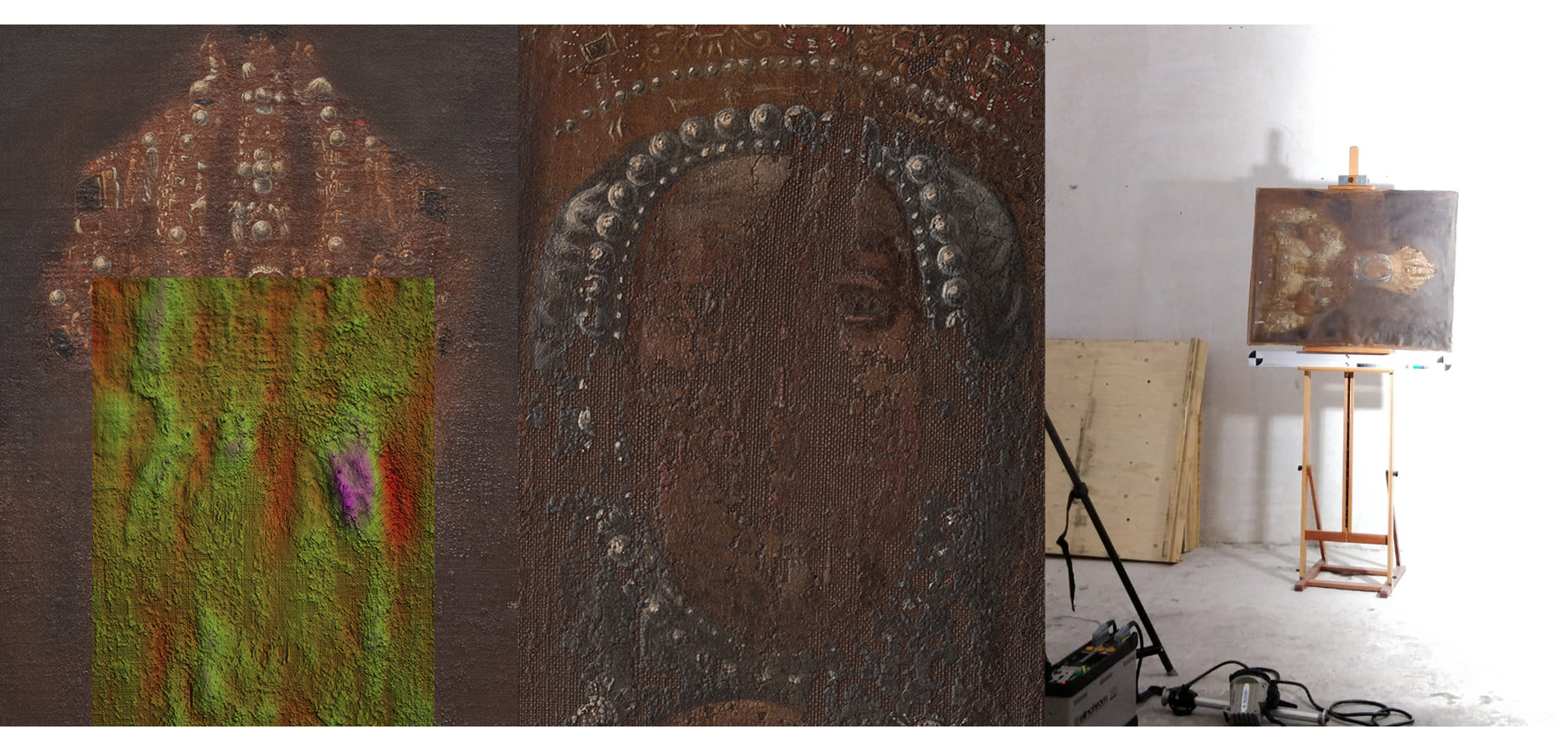
My first internship took place at Factum-Arte, in Madrid, Spain. Factum Arte is an interdisciplinary studio comprised of artists, technicians, programmers, engineers and digital conservators that are concerned with the production of contemporary art and facsimiles. Their facsimile production represents an approach to heritage conservation. At Factum Arte, I worked with the “3D modelling” team, made up of photogrammetrists, 3D scanners, and digital sculptors. They capture and produce surface and colour data with existing and newly developed tools, for the production/reproduction of exact facsimiles of paintings, sculptures and other works of art. The tools and techniques in use at Factum Arte overlap those in building conservation and I was able to learn how these tools are applied to recording paintings and sculptures at high levels of detail.
Discovery Dream Homes Internship
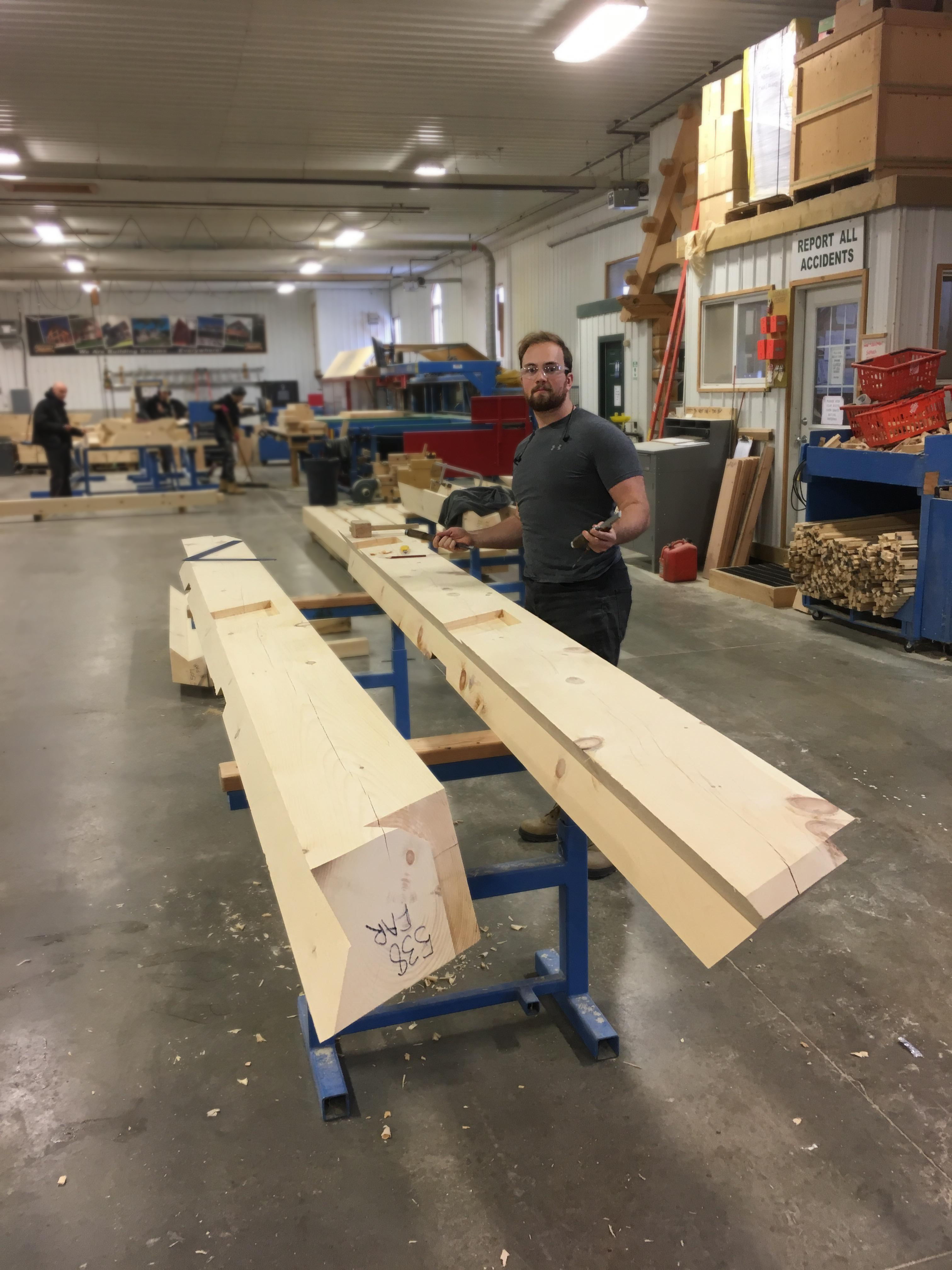
Discovery Dream Homes is a design and fabrication company comprised of architects, engineers, designers, and craftsman. They specialize in new construction and additions of timber frame and log homes. New technology is used such as building information modelling software and CNC milling with traditional building techniques including timber framing and piece-sur-piece log structures. At Discovery Dream Homes, craftsmen skilled in traditional carpentry work closely with the designers to have an integrated design process. For most of my time at Discovery, I worked on preparing 2D shop drawings and 3D CAD drawings for timber fabrication. During my last week at Discovery, I was able to spend my time in the shop to get hands-on experience with the timber fabrication process. Some of the shop work included: planing timbers for the CNC, sanding timbers after the CNC milling, finishing some CNC cuts with a chisel, and packing timbers.
As I develop my research at the intersection of high detail geometric recording and timber frame fabrication, I reflect on these internships. Engaging in a professional internship – supported by NSERC CREATE – has allowed me to gain practical experience while developing an understanding of pragmatic research questions.