
Katie Graham's New Position
This summer, I, Katie Graham, embark on a new adventure as part of the faculty of the new Bachelor of Media Production and Design (BMPD) program at Carleton University. The BMPD program is a new addition to the School of Journalism, focusing on the use of digital technologies for fact-based visual storytelling. As I end my current role as a researcher and team lead at Carleton Immersive Media Studio (CIMS), transitioning to associate faculty, I reflect on the past twelve years.
I began working at CIMS in 2007, working in Dr. Stephen Fai’s office in the architecture building as an architectural undergraduate co-op student, before moving to the Visualization and Simulation Building. My first project was a partnership with the University of Ottawa’s Neural Regeneration Laboratory and Dr. Steffany Bennett, converting two-dimensional serial sections of a mouse brain into a three-dimensional model. Each brain component – such as the hippocampus, ventricles, and corpus callosum – was modelled individually in Autodesk Maya and combined to create a detailed 3D atlas. The connection between mouse anatomy and architecture may seem non-existent; however, the project applied the architectural visualization standards of relating two-dimensional sections to three-dimensional constructions to answer the issue of how scientists represent anatomy in two-dimensional atlases. By combining the sections into a 3D mesh, the digital model helps to reveal errors that arise from the slicing process, allowing for corrections to create a more accurate and reliable reference for scientists to follow.
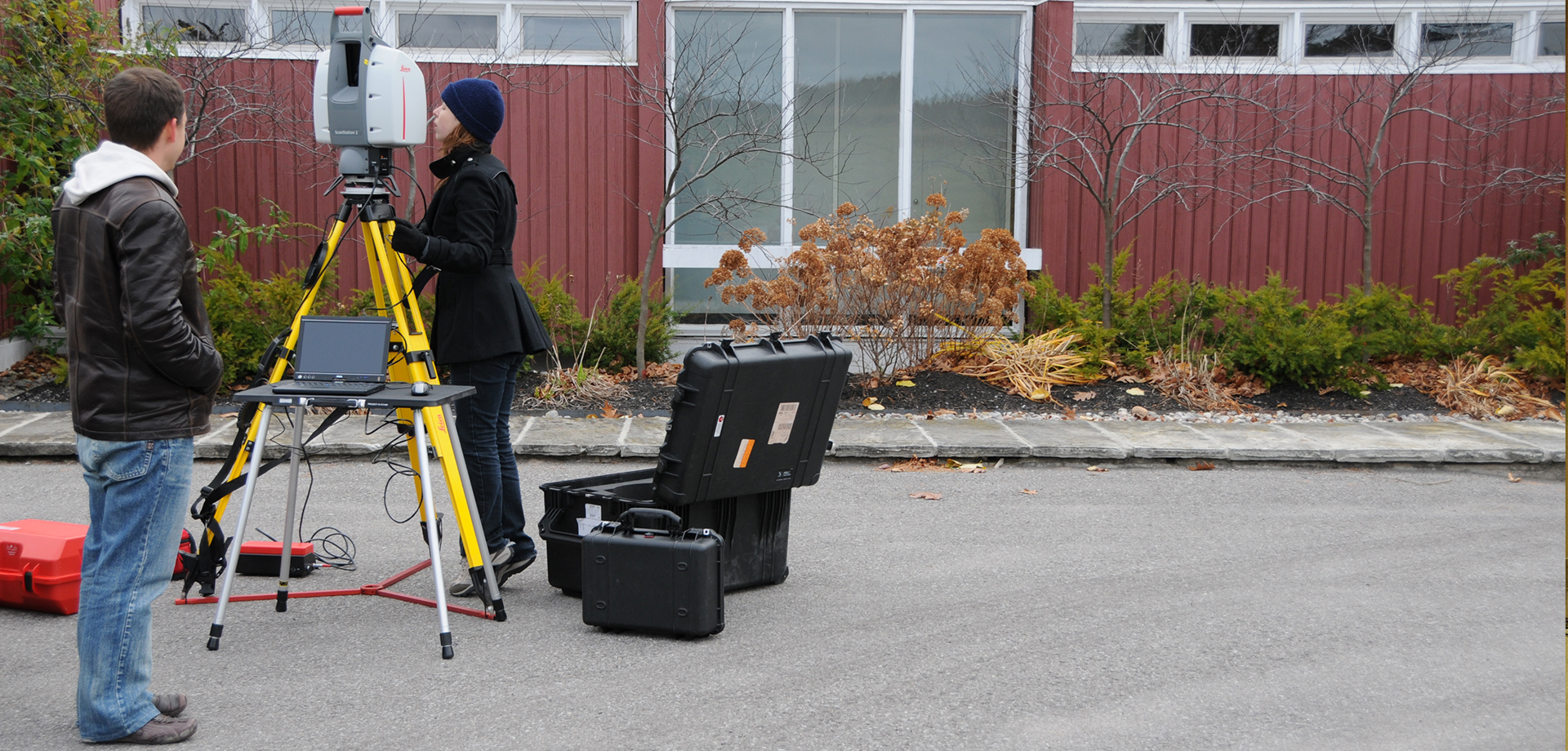
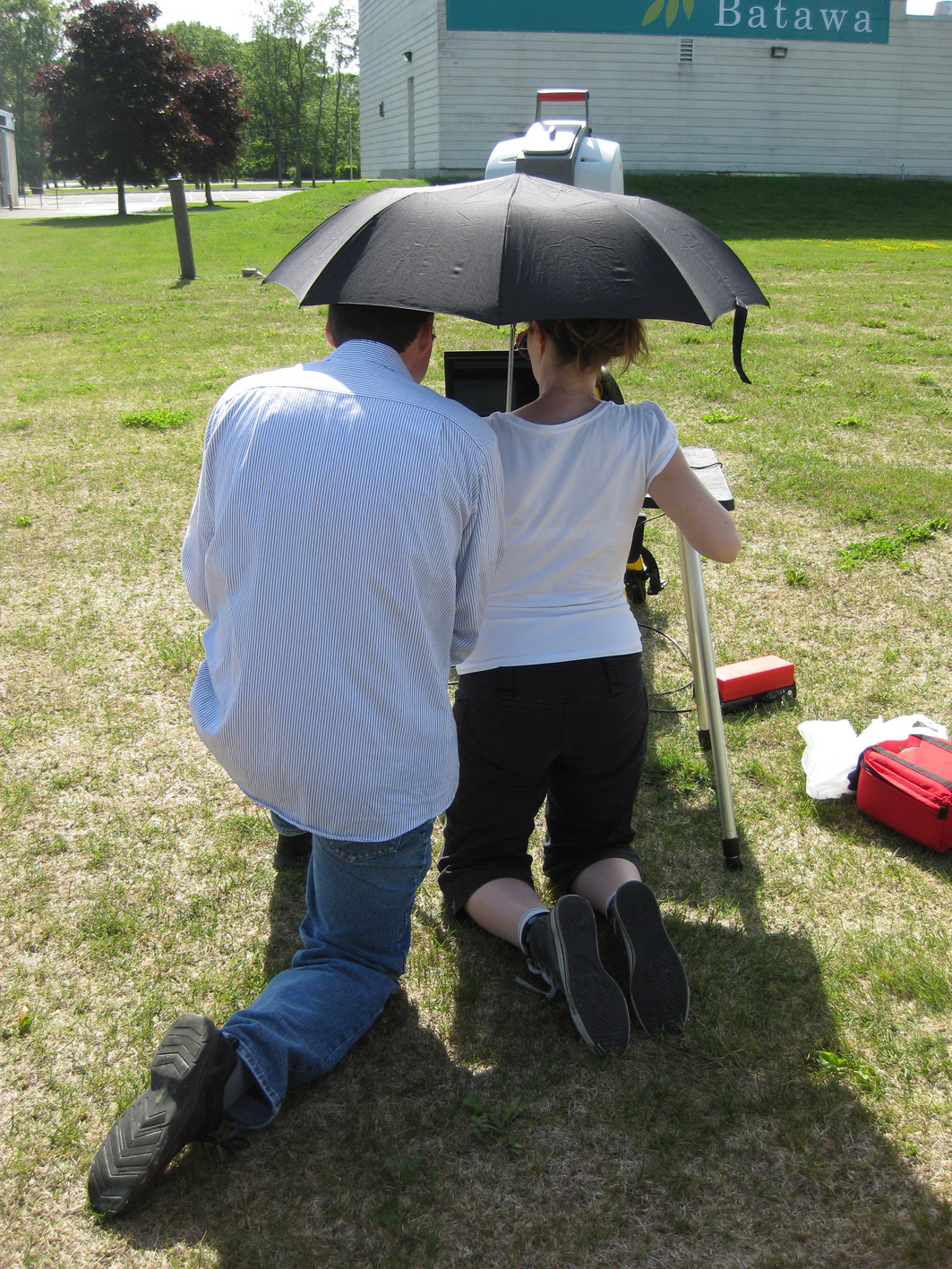
<video src="//videos.ctfassets.net/ujrjk97g2nk9/A7kbEjX1qNxXXDRZEPT5t/b918c4a02d04a342736964099ada9b4c/C57_final_18032012.mp4" controls type="video/mov"> </video>From mouse brains, the journey to building information modelling (BIM) and digitally assisted storytelling was obvious. Well, maybe only in retrospect! Moving from the micro-scale of anatomy to the macro-scale of creating a model of the whole town of Batawa, raised the same questions of how much detail to show and what purpose the model serves. Every project I worked on at CIMS contained a story. From the historical transformation of the small factory town in Eastern Ontario to the building techniques transferred from immigrating communities in Saskatchewan, the models were devices to record and inform a narrative.
<video src="//videos.ctfassets.net/ujrjk97g2nk9/18mFcHJMtdK2eVKO3DV7fp/39f6aa340fd9e39fea551a9f611c52d3/Bata_Factory_720p.mp4" controls type="video/mov"> </video>As I progressed in my studies, becoming more confident as a researcher, my role at CIMS matured to becoming team lead of the digitally assisted storytelling projects. I have been lucky to work with talented individuals from multidisciplinary backgrounds on various projects including the Senate Virtual Tour, CHARS Tour, the VR Kiosk, and other web and virtual reality endeavours. The digitally assisted storytelling stream of research has allowed me to express my interest in how advancing technologies and different digital media can be used to express the narratives of architectural significance and heritage.
My new role as Instructor in the BMPD program will allow me to continue my interest in researching the role of technology in sharing fact-based stories. The program, going into its second year, introduces students to how web development, interactive multimedia design, and computer programming can become tools for storytelling and public outreach.
I look back at the last twelve years fondly, appreciative of the mentorship of Director Stephen Fai and the opportunities that I received. Although I will no longer be a researcher or team lead at CIMS, my journey here has not ended – and not just because I have already written several more blog posts for your enjoyment in the next few months! Next to my name on the CIMS website are now the words, ‘associate faculty.’ This small change is both monumental in my career but also the future of CIMS, as a new departmental partnership begins to form.
Stay tuned over the next few weeks as we reflect on CIMS’ past. The projects and alumni of the last decade have helped establish CIMS as an influential research contributor. The next few weeks we will look at former employees to see how they helped CIMS grow and how CIMS has helped them in their careers.