CIMS Goes to Bagan
In May, five CIMS researchers travelled to Bagan, Myanmar to teach a workshop about the digital documentation of built heritage. The workshop, led by Mario Santana Quintero, was attended by students from Carleton University, Mandalay Technological University (MTU), and members of Myanmar’s Department of Archaeology, National Museum and Library (DOA).
The ancient city of Bagan, in the heart of Myanmar, is home to over 3800 archaeological Buddhist monuments that originate from the 10th to 14th century AD. Several monuments were damaged after a magnitude 6.8 earthquake struck the country in 2016. Since then there has been a push to acquire digital records of these monuments in case another earthquake occurs. While more significant temples have existing documentation measured with traditional techniques (eg. Hand survey), there are many that remain undocumented. The goal of the Myanmar workshop was to collaborate and provide capacity to locals about digital documentation techniques to preserve their treasured cultural monuments.
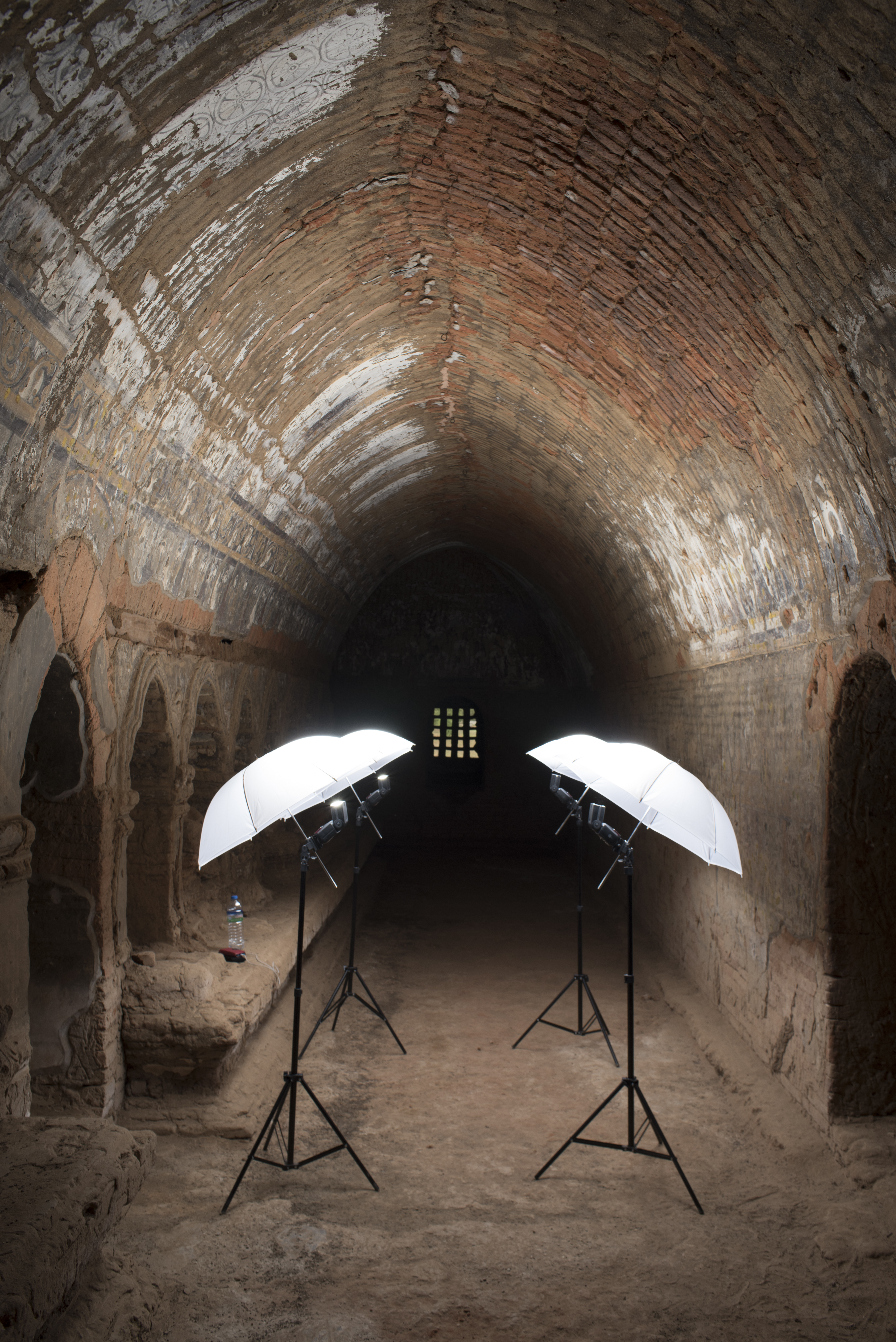
In 2016, Mario, Mariana and her PhD student Davide Mezzino initiated a similar documentation workshop. However, the focus of this workshop was to ensure that the Myanmar locals received more specialized training. With this focus in mind, Adam Weigert, Miquel Reina Ortiz, and I went to Bagan a few days early to teach a ‘pre-workshop’. The three-day training introduced the students and DOA staff to digital documentation techniques that would be built on during the main workshop: surveying with a total station, digital photography, photogrammetry, laser scanning, and reflectance transformation imaging (RTI).

One of the largest challenges was teaching to an English second-language group —it didn’t occur to me beforehand how that might challenge us. The participants knew English to varying degrees, and the technical terms posed significant challenges. We had to be clear and jargon-free with our explanations. In addition, it was important for us to keep checking that they understood the content and try to make an open and welcoming learning environment for the students. One of the keys to this was to break up the lectures with hands-on learning that gave each student the ability to practice with the equipment and ask us questions in a more one-on-one environment.
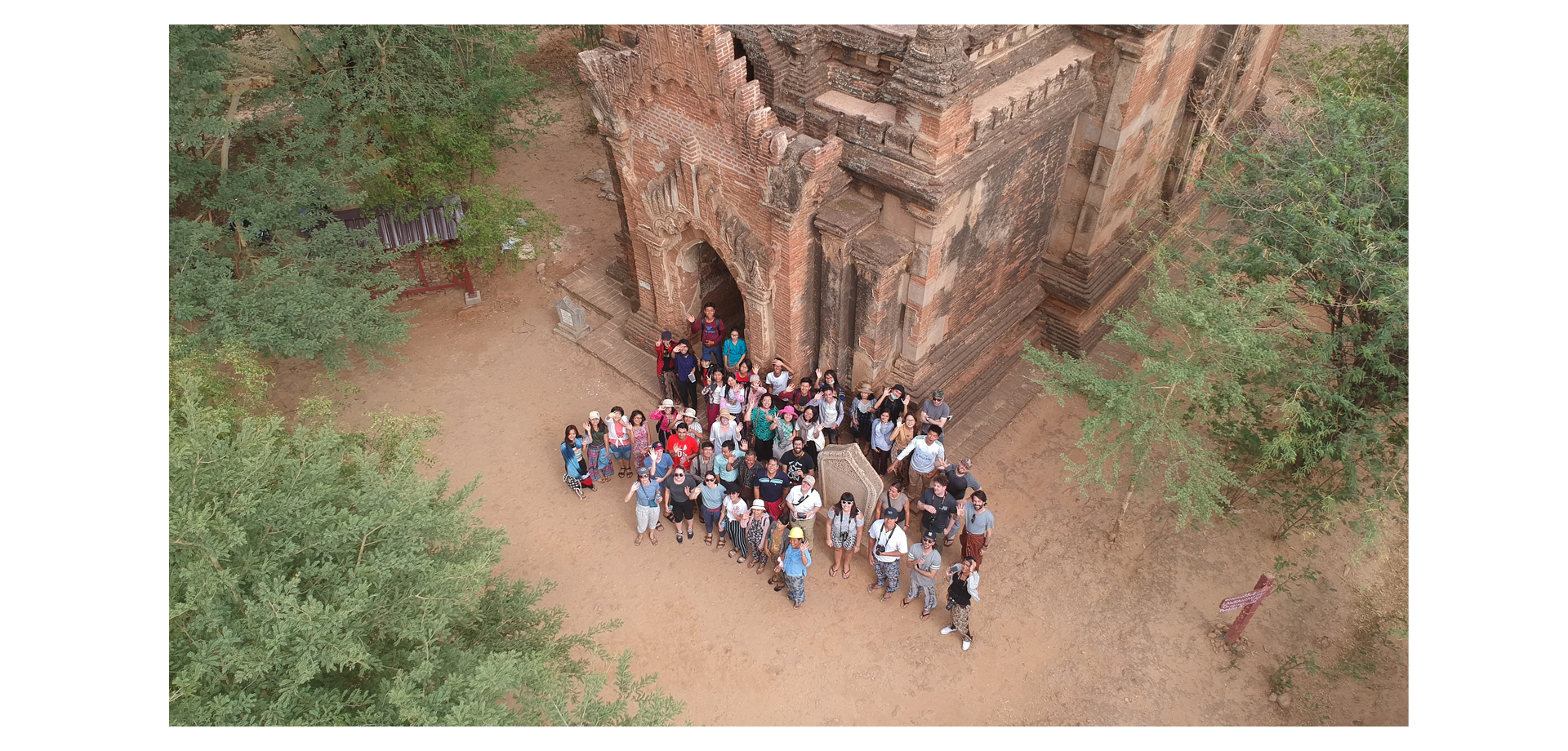
After the pre-workshop, Mario and his post-doctoral fellow Erik Costamagna arrived in Bagan with the Carleton University students. In total there were48 students to document four temples in six days (with two days to begin processing the data). The students were split up into smaller working groups that mixed DOA staff, Carleton U students, and MTU students. The goal was to ensure that there was a shared knowledge base between the different groups as they worked. The DOA staff and MTU students had local knowledge about the cultural heritage, and the Carleton students had more experience with the digital workflows. This may sound like an easy task, but when you add 40 °C weather to the mix it can tamper the motivation to work. The heat could be overwhelming even in the cool dark interiors of the temples. In the end, this great group of students overcame the unique challenges of documenting the temples in Bagan and we were able to capture fantastic data that will aid in their preservation.
The workshop ended with the participants presenting their work to two professors from MTU, as well as the Deputy Director and key members of the DOA. It was a gratifying moment for us, as teachers, to see how much that they had learned. I would gladly do it all again.