
Alumni Feature: Crystal Hanley
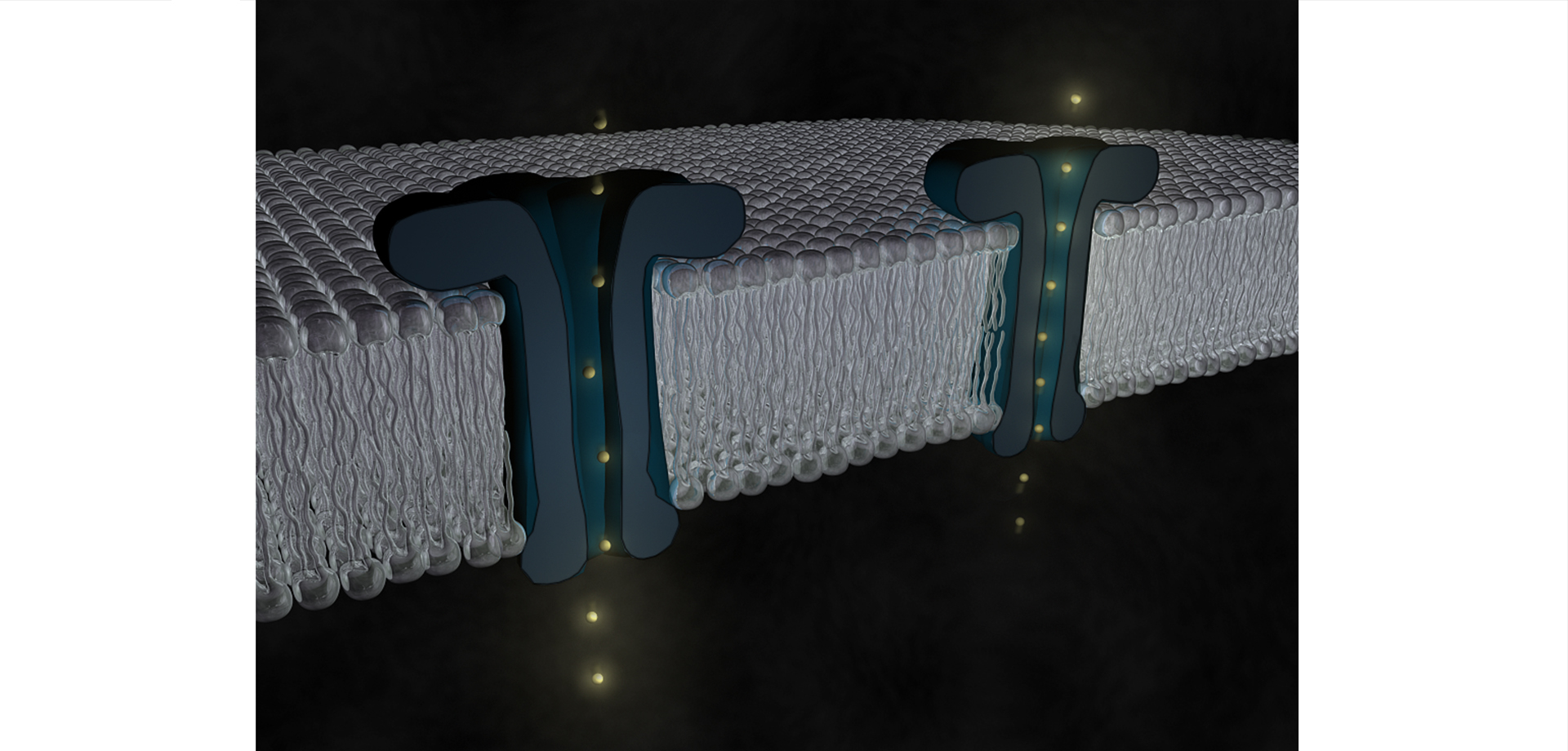
On January 3, 2012, the 200th volume of the Journal Neuroscience, an international journal under the editorial direction of the International Brain Research Organization (IBRO), was published with a computer-generated image depicting the process of gliogenesis (the production of new astrocytes and oligodendrocytes) and neurogenesis (the production of new neurons) in the adult hippocampus within the brain. The schematic shows the unique process of producing new neurons in one of only two brain regions that it occurs. This image was created by Crystal Hanley, an architectural undergraduate student at the Azrieli School of Architecture and Urbanism and undergraduate researcher at Carleton Immersive Media Studio (CIMS) researching in collaboration with the Neural Regeneration Laboratory at the India Taylor Lipidomics Research Platform/Metabolomics Core Facility at the University of Ottawa.

Crystal worked at CIMS from 2010 to 2016, working on various projects including creating models, images, and animations of microscopic lipid cell processes for the CIHR Training Program in Neurodegenerative Lipidomics. She helped establish the modelling processes for Cultural Diversity and Material Imagination in Canadian Architecture (CDMICA), a project that documented the building methods of immigrating communities from the turn of the century in Autodesk Revit. Crystal travelled to the remote community of Kuno Tambo, Peru to complete intensive condition assessments of the original 17th-century wall paintings within places of worship. Lastly, she worked on the building information model (BIM) of the East, West, and Centre blocks of the Canadian Parliament Buildings as part of the rehabilitation project for the site. Throughout Crystal’s internship at CIMS, she witnessed the lab grow from the six-person team of 2010 to a facility ten times that size.
Now, as an Architectural Conservator and Designer working in New York City at Peter Pennoyer Architects (PPA), Crystal reflects on her time at CIMS, and sees the lab as, “a place where innovative problem solving is not only encouraged, but necessary. The lab fosters an environment where everyone is constantly learning from each other.” While working at CIMS, Crystal flexed her problem-solving skills by helping with the development of the early protocols on how to create BIMs that reflect the heritage quality of existing buildings. Crystal’s hunger to learn new techniques was evident, as she helped research and create a report on different documentation and BIM guidelines that led to defining the parameters of the rehabilitation project.
According to Crystal, CIMS is where she gained an appreciation and admiration for historic architecture and the importance of its preservation through ever-evolving technologies. This growing interest led Crystal to do a masters degree in Conservation of Monuments in Sites at the Raymond Lemaire International Centre for Conservation in Belgium. Furthering her interest in conservation and heritage architecture, Crystal also worked as an intern and later as a consultant at the Getty Conservation Institute in 2013 and 2015. Crystal is now an upcoming architectural conservator and designer, using her interest in technology and heritage as the foundation for a growing career. She still holds a keen interest in research, having recently presenting her thesis research on adaptive reuse of an abandoned industrial building in Santiago de Cuba at the Association of Preservation Technology International (APTI) conference in Ottawa in 2017.

According to Crystal, CIMS will always have a unique relationship with industry, helping create a better understanding of the limitations and possibilities for the connection between the physical and digital.