
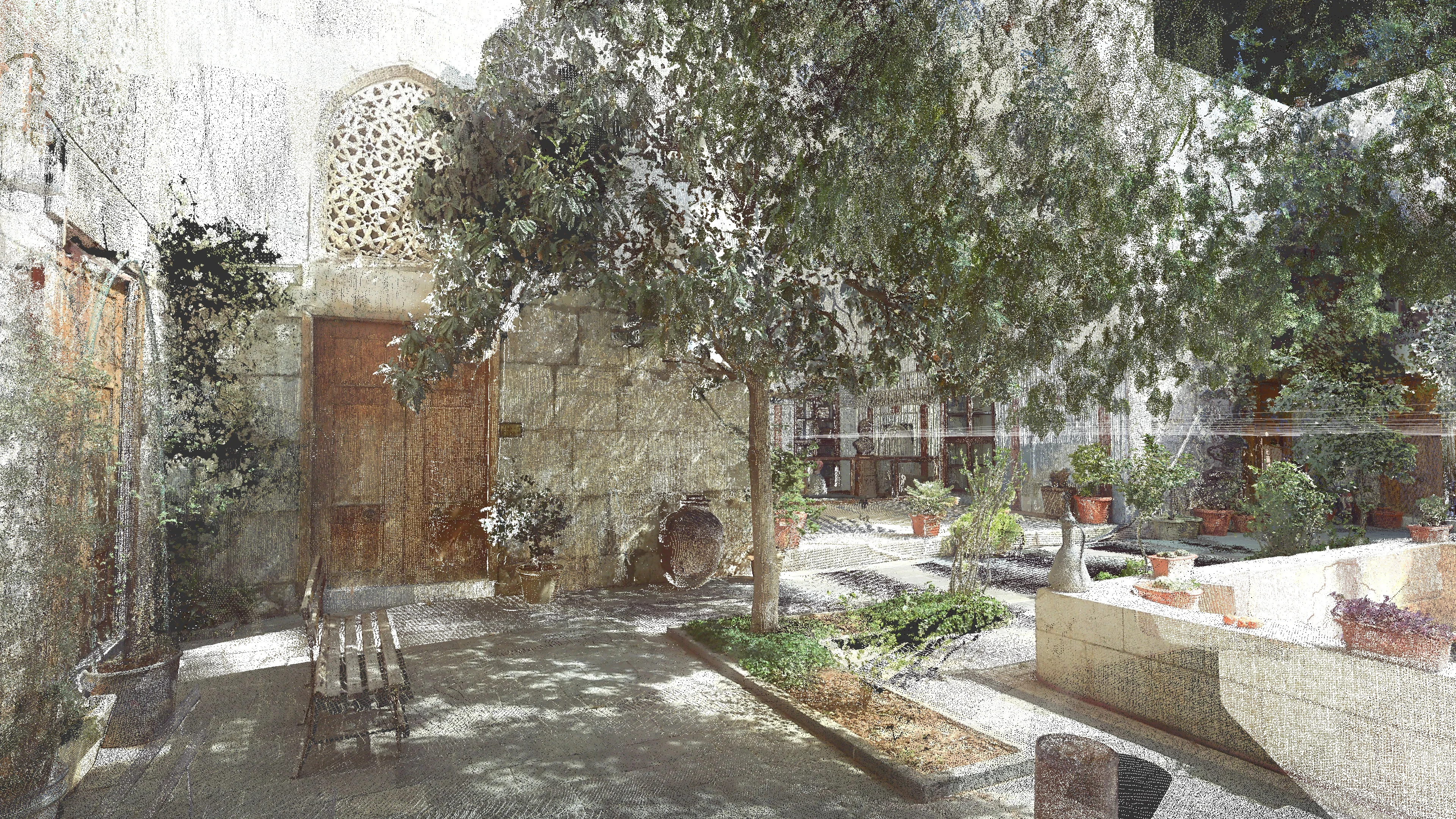
Anqa Virtual Tour
Did you know Anqa is the Anglicized version of the Arabic word for phoenix?
Project Anqa, a multi-partner initiative to digitally document and present seven historic sites at risk located in Damascus, Syria. The project is supported by the Arcadia Fund. Collaborators include the Syrian Directorate-General of Antiquities and Museums, DGAM for short, CyArk, who met with and trained the Syrians in documentation techniques in Beirut, ICOMOS, who was the project coordinator, CIMS, created Project Anqa’s final web platform and virtual tours, and Yale University, who spearheaded this project and passed the torch on to us at CIMS in 2018. For more information about the partners and their involvement please visit Project Anqa website Partner page.
Above all, project Anqa aims to use new technology to create accurate 3D recordings of heritage sites at risk and to contribute to capacity building in the region, to the transfer of knowledge and the creation of permanent architectural inventory units. A specific aim of the project is to develop a new sustainable activity by empowering local professionals with training and tools to continue the documentation work of cultural heritage beyond the life of Project Anqa. As such, the project serves as an example of ‘people-centred’ cultural heritage documentation in a digital age through an open-access, participatory web platform. Collected data should be accessible and useful for scholars, professionals, and the wider public with state-of-the-art tools.
All the data that was collected and developed for the project is accessible on the Project Anqa Data page.
The following is a list the seven sites recorded: • Al-‘Azm Palace • Ananias Chapel • Bimaristan Nur al-Din • Hamman Nur al-Din • Khan As‘ad Pasha • Madrasa al-Jaqmaqiya • Tekkiye Süleymaniye For more information about the sites and to access the virtual tours, visit Anqa website seven sites page.
The current Anqa project was developed with a multidisciplinary team at CIMS including architecture, history and information technology streams. All the data CIMS used to develop the website was from the 3D surveys the DGMA conducted in 2017. The CIMS team used KRPano to create a virtual tour for each of the seven sites mentioned above.
Each tour starts with a short video using a variety of applications. These include Cloud Compare, Autodesk Recap (figure 1), Autodesk 3Ds Max (figure 2) and Adobe After Effects CC (figure 3).
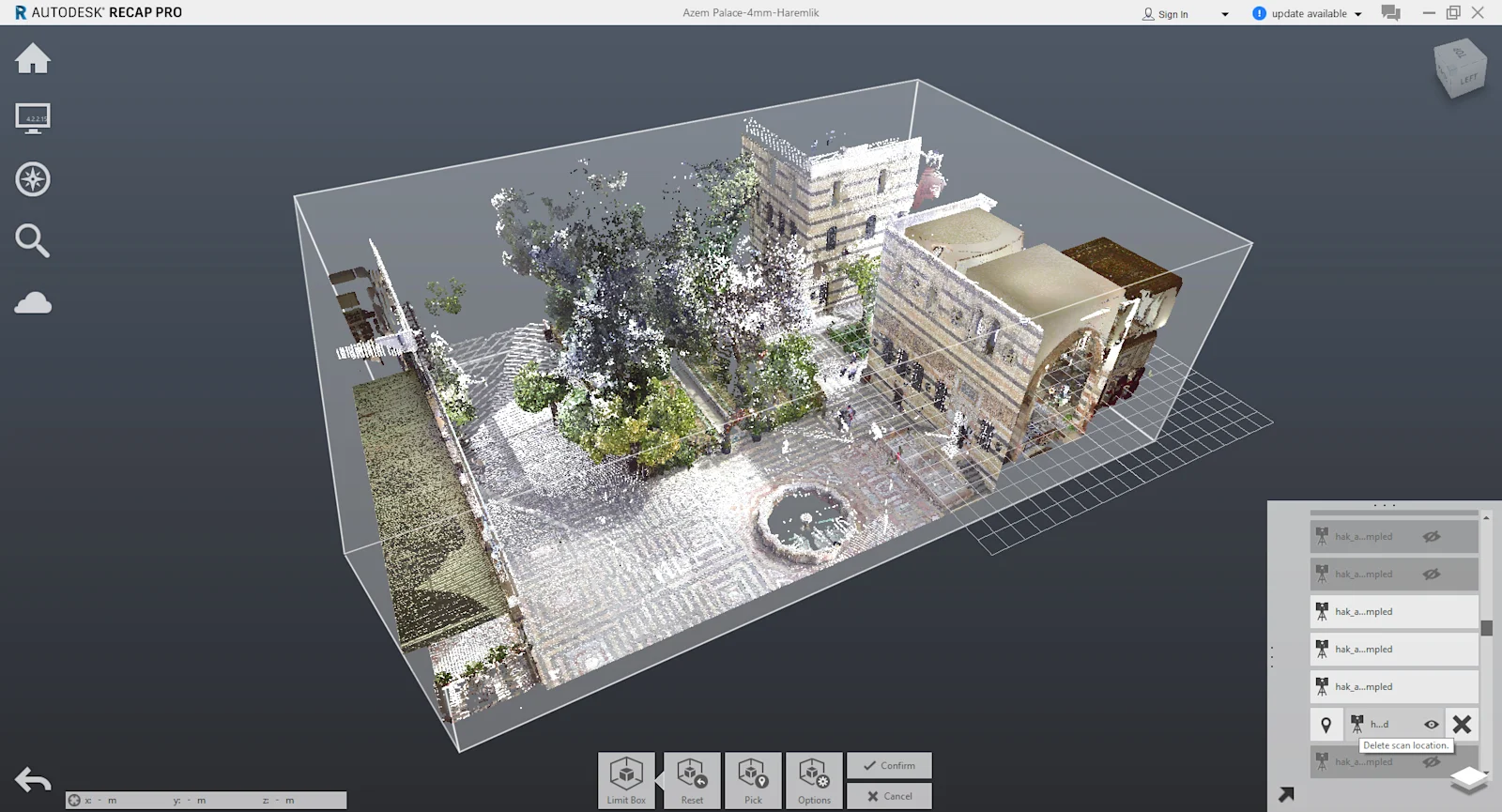 Figure 1: Al-‘Azm Palace – Autodesk Recap
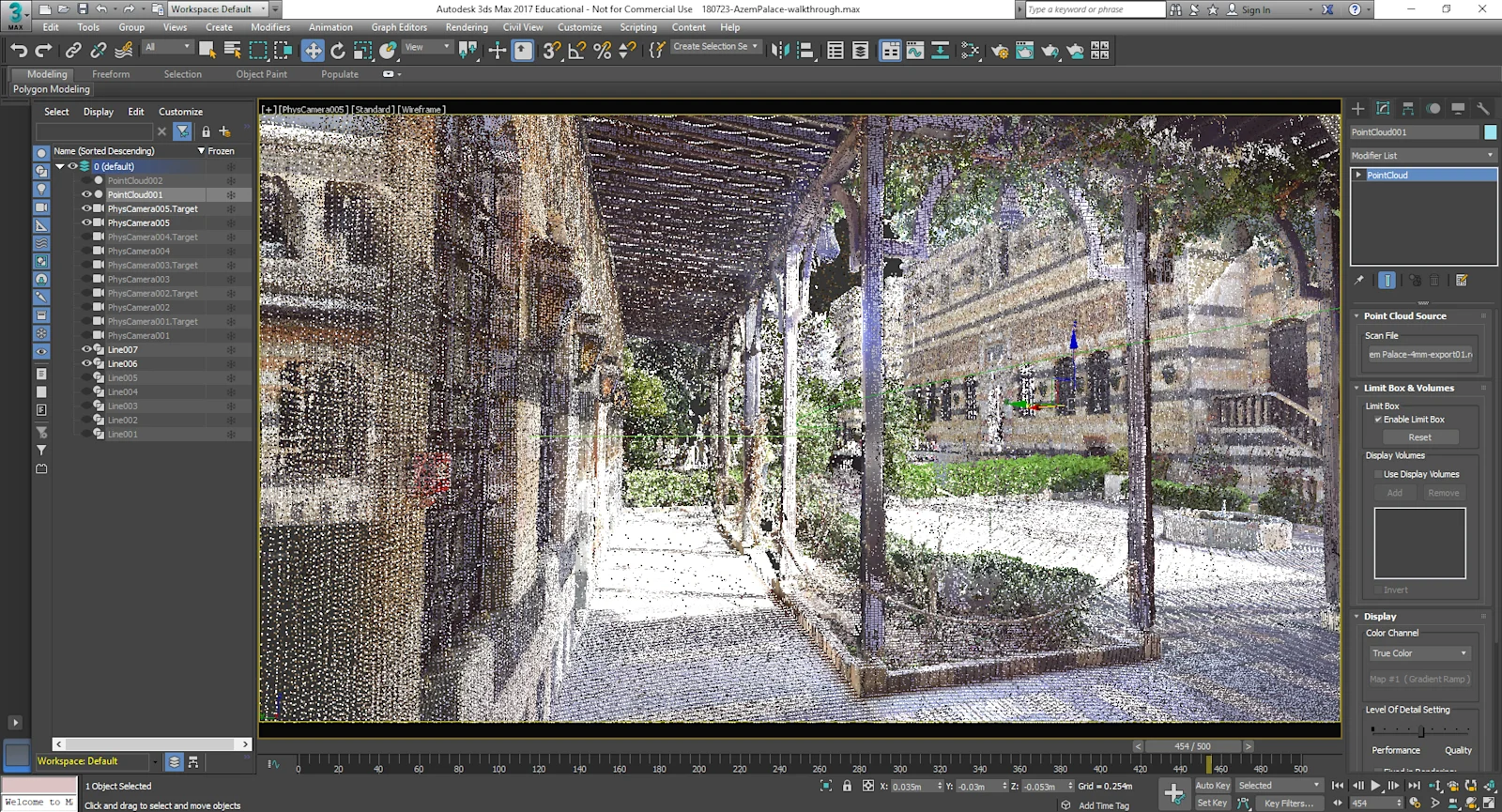 Figure 2: Al-‘Azm Palace – Autodesk 3Ds Max
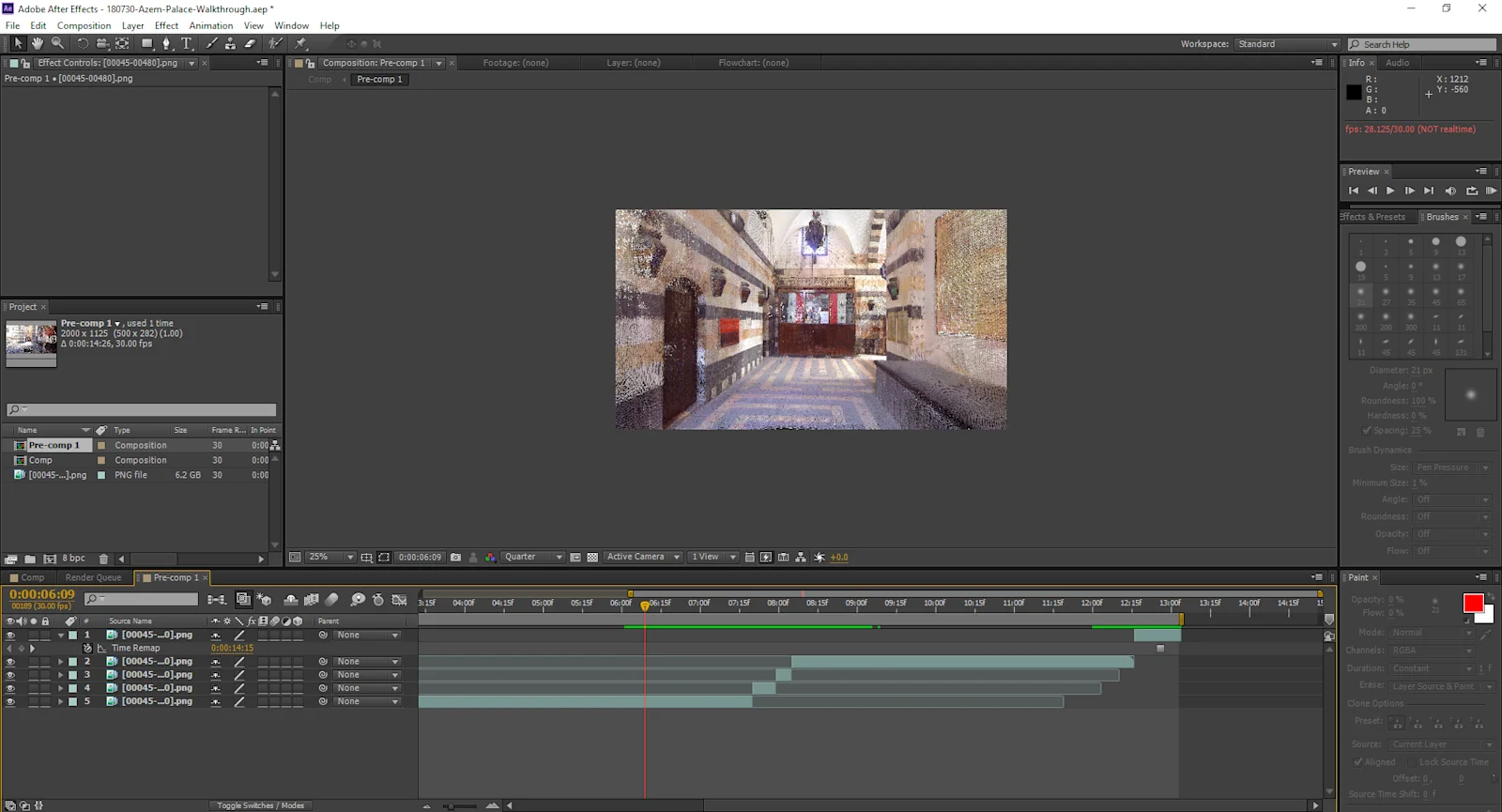 Figure 3: Al-‘Azm Palace – Adobe After Effects CS6
Each video presents a quick fly-through of the entrance of each site and ends by orienting the user to where the 360-degree panorama tour begins. This allows visitors to get acquainted with the area and encourages them to explore. See figure 4.
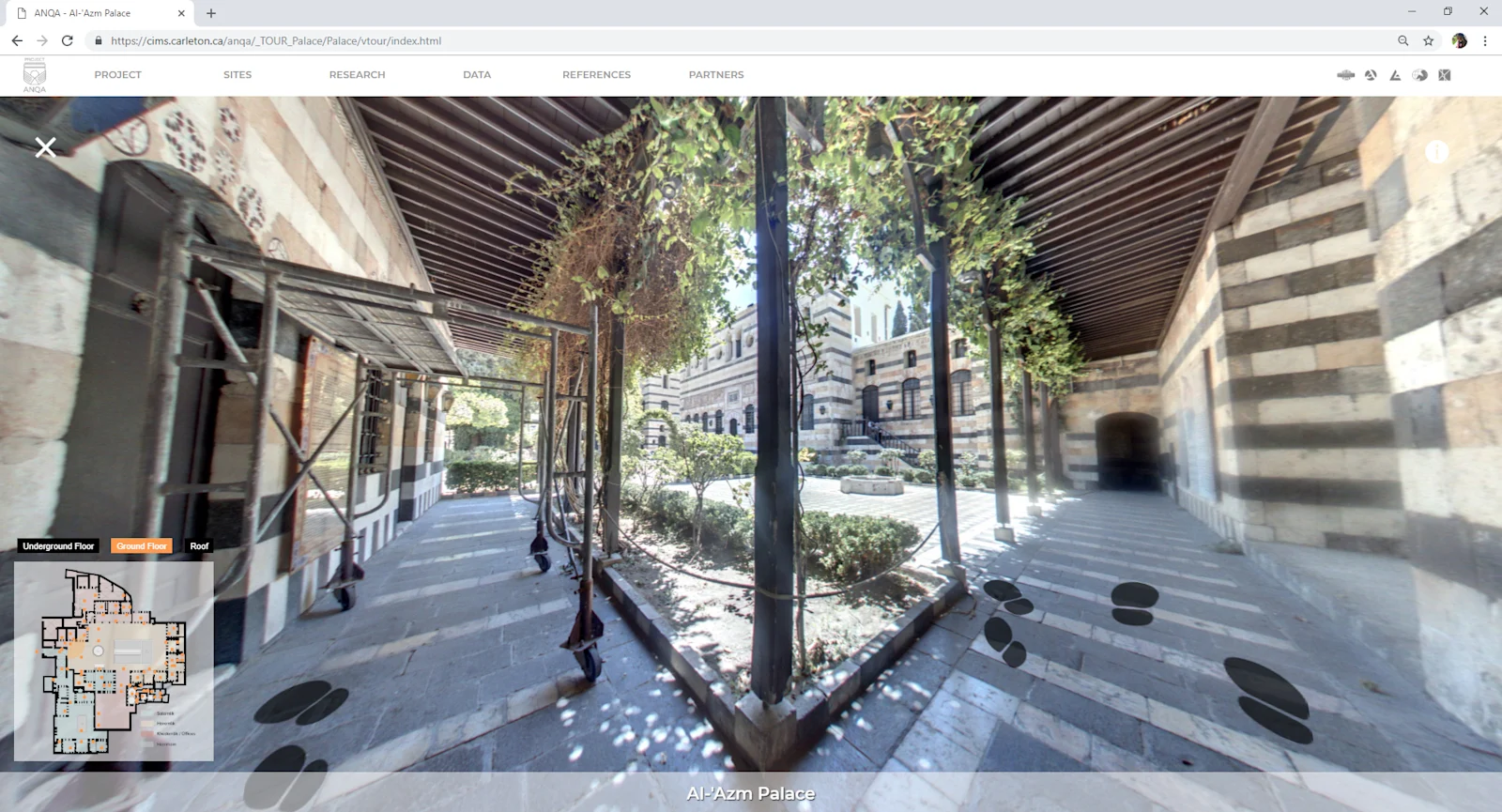 Figure 4: Al-‘Azm Palace virtual tour
Visitors to the tour can use their mouse to rotate the panorama, effectively giving them a stationary, 360-degree view of the space presented. They can jump between the different areas by clicking on the “footprints” scattered around the panoramas. The white bar at the top provides quick navigation through the different sections of the website and permits users to view the other virtual tours. The map in the bottom-left corner allows them to jump to any location available in the tour. Within this floor plan, the current location is shown with a cone-shaped area that illustrates the current camera’s view angle. Visitors are also able to click on the map to expand it or minimize it, giving them a more detailed view of the featured area.
The virtual tour also features key areas, called “hotspots”, marked directly on the panoramas with white circles. When clicked, they open a window that provides in-depth information about that location or element. See figures 5 and 6.
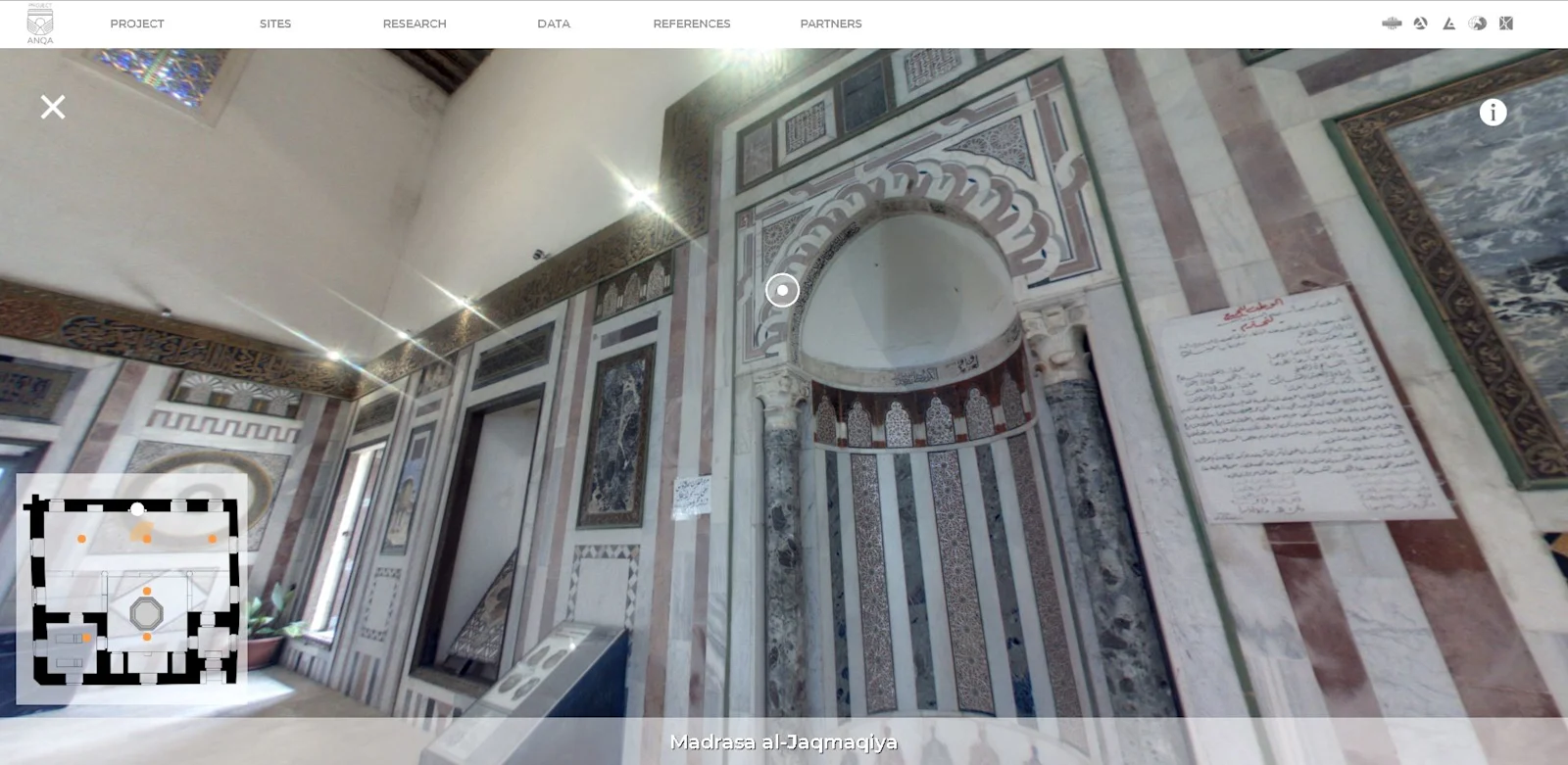 Figure 5: Madrasa al-Jaqmaqiya – Virtual Tour Hotspot
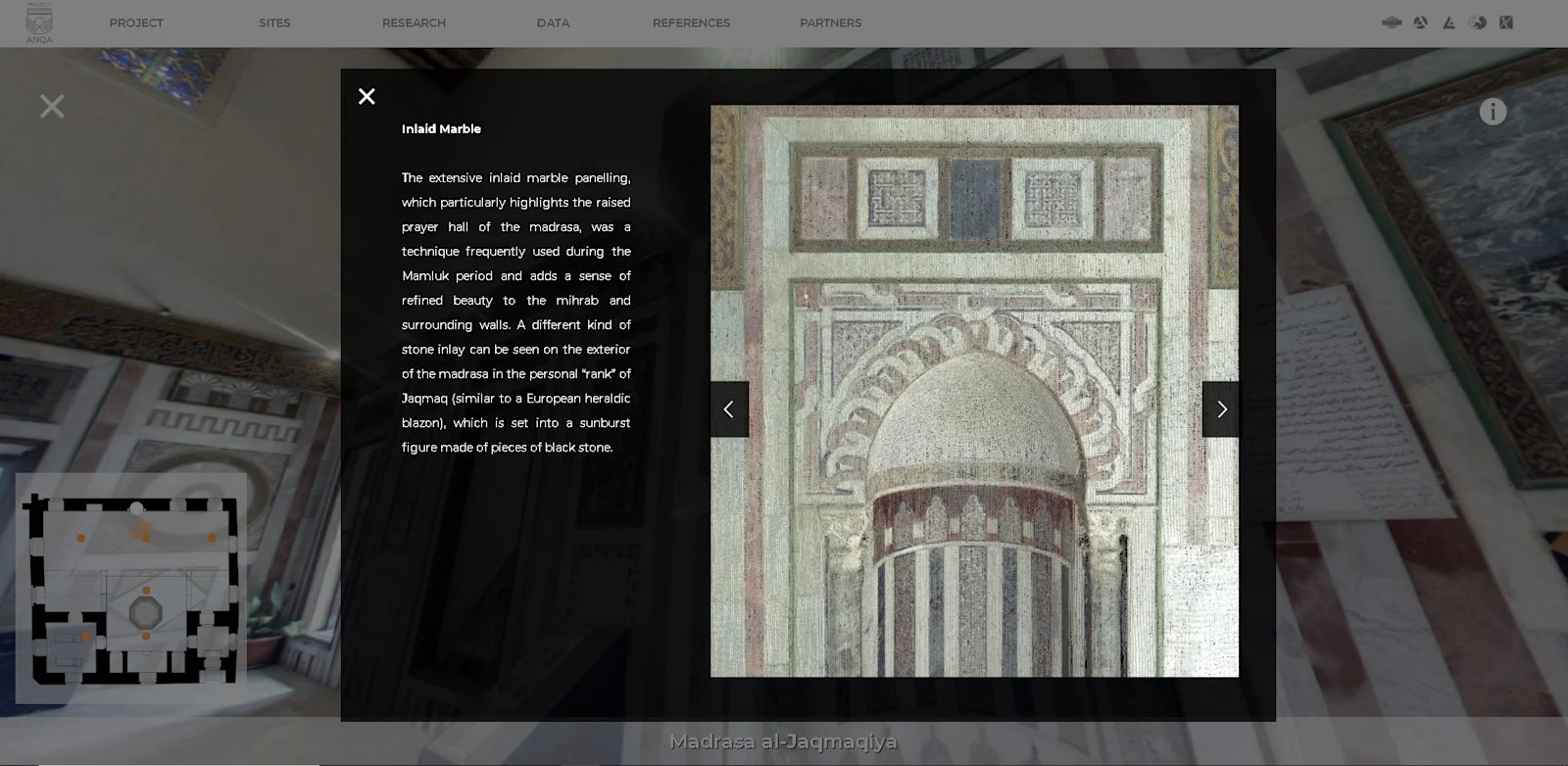 Figure 6: Madrasa al-Jaqmaqiya – Virtual Tour Hotspot